


Sandals to Sandals in Three Generations
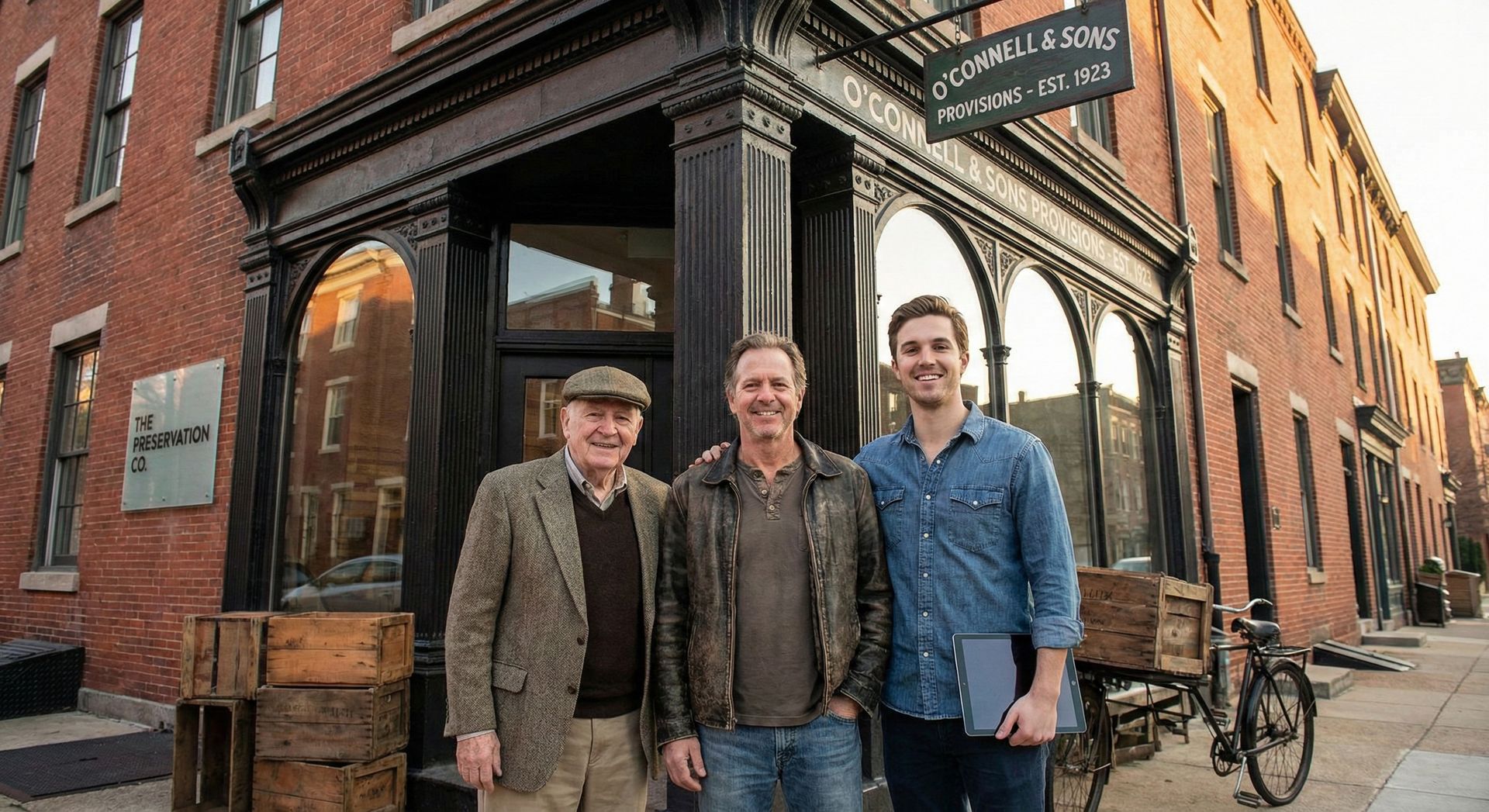
Sandals to Sandals in Three Generations
I recently got a call from a client in Center City Philadelphia. Their business is 80 years old. Eight decades of operation. Now they're ready to sell. Here's what that taught me about real estate planning.
The Story
The business started in 1946. A single location. One owner. They built it from nothing into something substantial. The property they occupied became central to their identity. It was where they operated. It was where they built relationships. It was where they succeeded.
Over three generations, the business grew. They added locations. They expanded their offerings. They became a fixture in their community.
Now the third generation is ready to move on. They want to sell the business and the real estate. They want to retire. They want to move to somewhere warm and relax.
As they put it: "We're going from sandals to sandals." From the sandals their grandfather wore when he started the business to the sandals they'll wear in retirement.
The Real Estate Question
But here's where it gets interesting. The real estate is worth more than the business. The property has appreciated significantly over 80 years. The location is valuable. The building has been improved. The value is substantial.
So the question becomes: should they sell the business and the real estate together? Or should they separate them?
If they sell together, the buyer gets both. The buyer gets an ongoing business with customer relationships and revenue. The buyer also gets the real estate.
If they separate them, they could sell the business to an operator who wants to continue running it. And they could sell the real estate to an investor who wants to hold it for appreciation and income.
The Decision
In this case, they decided to separate them. They found a buyer for the business—someone who wanted to continue operating it. And they're selling the real estate to an investor.
Why? Because the real estate value and the business value are different. The business is worth what it generates in cash flow. The real estate is worth what it could generate as an investment property.
By separating them, they're able to maximize the value of each. The business buyer gets a property they can operate. The real estate investor gets a property they can hold and appreciate.
The Lesson
This is a lesson in thinking about real estate separately from the business that operates in it. They're different assets. They have different values. They have different buyers.
For a business owner, the real estate is often secondary to the business. It's where they operate. But for an investor, the real estate is primary. It's the investment.
Understanding this distinction can help you make better decisions about your real estate. Whether you're a business owner thinking about selling, or an investor thinking about buying, understanding the separate value of the real estate is critical.
Planning for Succession
This also highlights the importance of real estate planning as part of succession planning. If you're a business owner, you need to think not just about who will run the business, but also about the real estate.
Will the next generation want to own the real estate? Or would they prefer to lease it? Would they prefer to sell it? Would they prefer to separate the real estate from the business?
These are questions worth asking early, so you can structure things appropriately.
Ready to Discuss Your Real Estate Strategy?
Jon O'Shea brings market insight and strategic thinking to every conversation. Let's explore what's possible for your Philadelphia and Mid-Atlantic real estate goals.
Schedule a Consultation