


Inflation: The Silent Killer of Every Business P&L (And How Real Estate Ownership Fights Back)
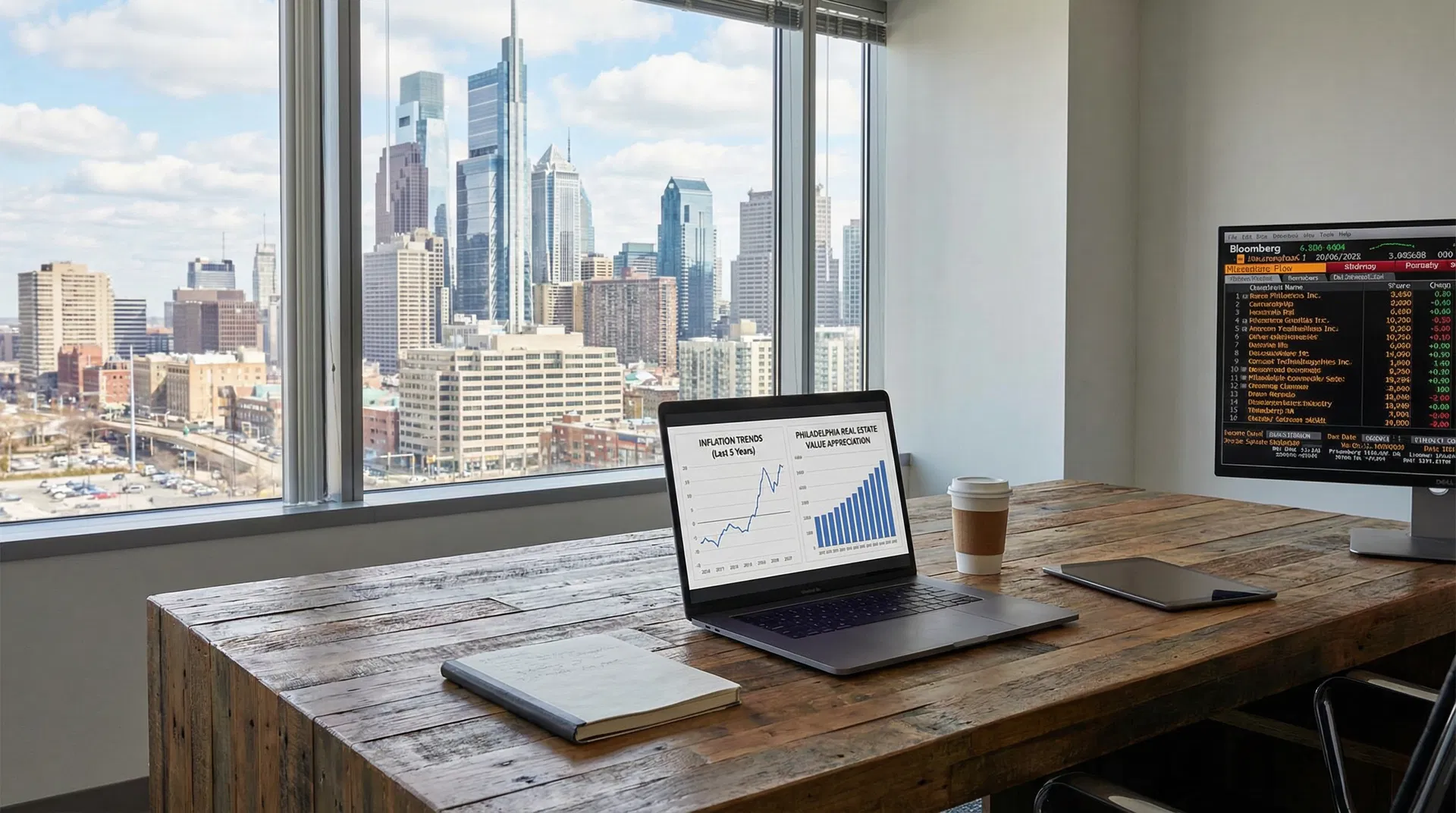
Inflation: The Silent Killer of Every Business P&L (And How Real Estate Ownership Fights Back)
The Numbers Don't Lie
Let me walk you through some simple math that keeps business owners up at night—whether they realize it or not.
Say you signed a 10-year lease back in 2015. Your landlord was reasonable. You negotiated 2.5% annual rent increases. Seemed fair at the time.
Over those 10 years, your rent has gone up by 25%. A quarter more than what you started paying.
Now here's where it gets interesting.
You might look at that 25% increase and think, "That's terrible. My costs have gone up significantly."
Or you might look at it and realize: you actually got a pretty good deal.
The Inflation Years Nobody Saw Coming
Remember 2022 and 2023? The inflation rate wasn't 2.5%. It was 8%. Some would argue it was closer to 9 or 10% depending on how you measure it.
In just those two years alone, the purchasing power of your dollar dropped dramatically. Meanwhile, your rent only went up by that pre-negotiated 2.5%.
For tenants with good long-term leases, this was actually a win. You locked in rates before everything got expensive.
But here's the thing: that's the best case scenario for tenants. You got lucky with timing. And luck isn't a business strategy.
The Other Side of the Equation
Now let's flip the script.
What if you had owned that building instead of leasing it?
Yes, your operating business would still pay rent. You'd still have that expense. But as the property owner, you'd be on the receiving end.
And here's what inflation does for property owners: it increases the value of your asset.
When inflation runs hot, real estate values typically rise. Your building appreciates. The replacement cost to build something similar goes up.
The rents the market will bear increase.
Inflation is a positive thing for real estate owners. It's a negative thing for real estate users.
Business owners who buy their own real estate get to play both sides of that equation.
Control in an Uncontrollable World
We can't control inflation. We can't control interest rates. We can't control what the Federal Reserve decides to do or how supply chains perform or what happens in global markets.
But we can control our position relative to these forces.
When you own your real estate, you're not just hedging against inflation—you're potentially benefiting from it. Your asset appreciates while your business continues operating. You build equity while others watch their purchasing power erode.
This isn't about getting rich quick. It's about protecting yourself against the slow erosion that happens when you're always on the paying end and never the receiving end.
The Long Game
Smart business owners think in decades, not quarters.
They've seen multiple economic cycles. Recessions. Booms. Inflation spikes. Market crashes.
Through all of it, their real estate held value. It adapted. It served the business through conditions nobody could have predicted when the building was first acquired.
When you're just a tenant, every lease renewal is a new negotiation. Every market shift affects you directly. You're constantly reacting to conditions you can't control.
When you own, you have a foundation. An anchor. Something solid while everything else moves.
The Question You Should Be Asking
Most business owners focus on revenue growth, operational efficiency, and customer acquisition. These are important.
But how much time do you spend thinking about whether your real estate strategy is actually working for you or against you?
Every month, you write a rent check. That money goes somewhere.
Is it building someone else's wealth while inflation slowly eats away at yours? Or is it part of a strategy that puts you on both sides of the equation?
The silent killer doesn't announce itself. It just chips away, year after year, until you realize you've been losing ground the whole time.
Want to understand how real estate ownership could hedge your business against inflation? Let's look at the numbers specific to your situation.
Ready to Discuss Your Real Estate Strategy?
Jon O'Shea brings market insight and strategic thinking to every conversation. Let's explore what's possible for your Philadelphia and Mid-Atlantic real estate goals.
Schedule a Consultation