


Highest and Best Use: The Question Every Property Owner Should Be Asking
Highest and Best Use: The Question Every Property Owner Should Be Asking
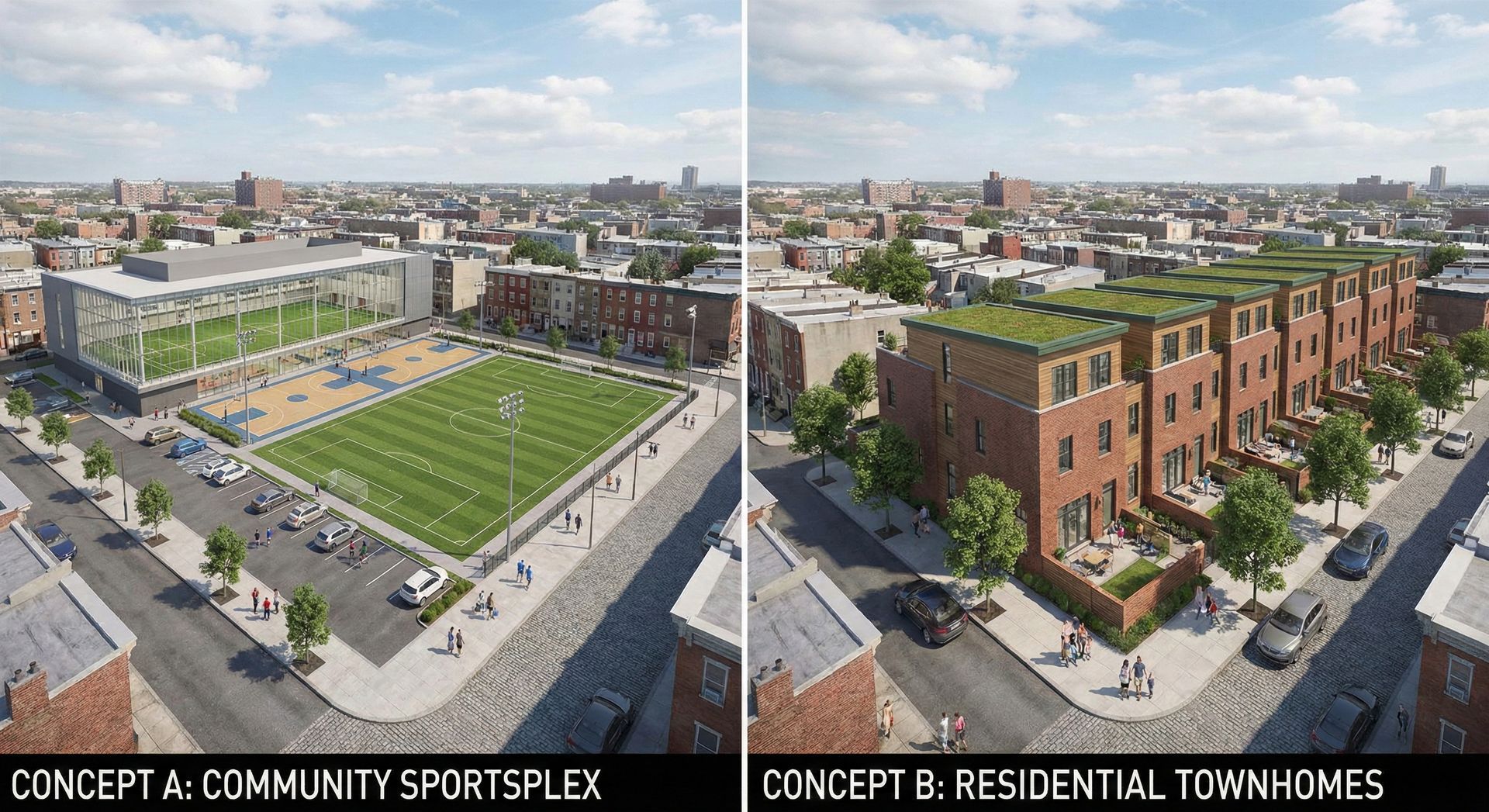
There's one lens I consistently apply to every property I evaluate: what's the highest and best use? This isn't just a technical real estate term. It's a way of seeing opportunity.
What Is Highest and Best Use?
In appraisal, highest and best use is defined as the reasonably probable use of property that results in the highest value. But it's more than that. It's a framework for thinking about what a property could become.
Every property has constraints: zoning, size, location, access, utilities. Within those constraints, there are multiple possible uses. The question is: which use generates the most value?
Why It Matters
Many property owners operate their properties in ways that made sense five, ten, or twenty years ago. The market has changed. The neighborhood has evolved. New uses have become possible. But they keep operating the property the old way because that's what they've always done.
This is leaving money on the table.
Finding the Highest and Best Use
Start by understanding what the property could be used for, given current zoning and market conditions. What uses are legally permitted? What uses are economically viable? What uses are in demand in the market?
Then evaluate each use:
- What revenue would it generate?
- What costs would it require?
- What capital investment is needed?
- What timeline to stabilization?
- What risks are involved?
The use that generates the highest net present value is the highest and best use.
Examples in Philadelphia
In Philadelphia, I've seen properties where the highest and best use has shifted dramatically:
An old industrial building in a gentrifying neighborhood might have been best used as warehouse space ten years ago. Today, the highest and best use might be adaptive reuse—apartments, offices, or mixed-use.
A single-tenant office building might have been best used as owner-occupied space. Today, the highest and best use might be conversion to medical offices or flex space.
A corner retail property might have been best used as traditional retail. Today, the highest and best use might be ground-floor retail with offices or apartments above.
The Conversation
The highest and best use conversation isn't always comfortable. It might mean that the current use isn't optimal. It might mean significant capital investment. It might mean a change in strategy.
But it's a conversation worth having. Because the difference between operating a property at its current use and operating it at its highest and best use can be substantial—often 20%, 30%, or more in value.
Ready to Discuss Your Real Estate Strategy?
Jon O'Shea brings market insight and strategic thinking to every conversation. Let's explore what's possible for your Philadelphia and Mid-Atlantic real estate goals.
Schedule a Consultation